


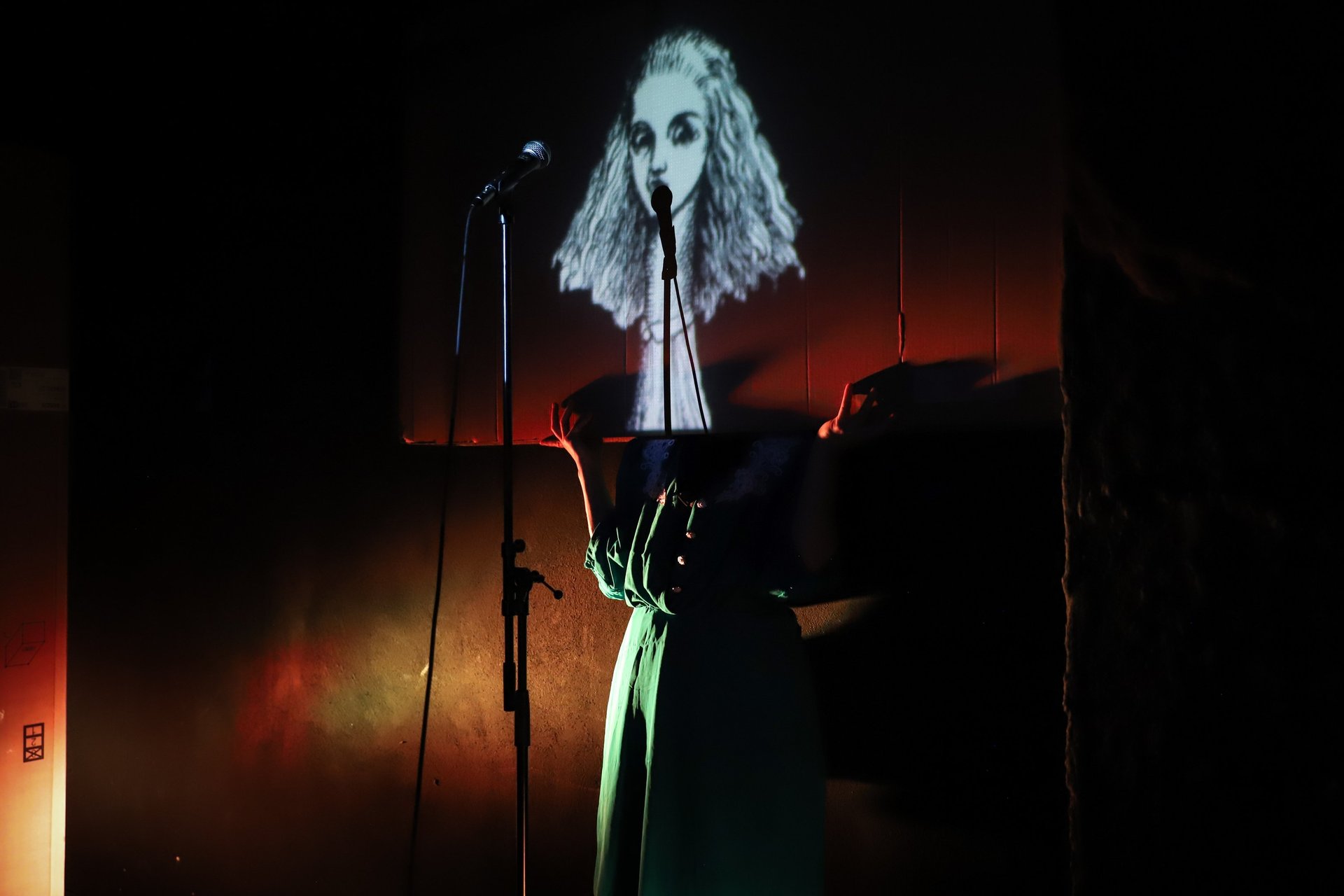
Alice
Under
Ground
Project Type
Hybrid performance
Date
2025
Role
Theater maker - puppeteer
Location
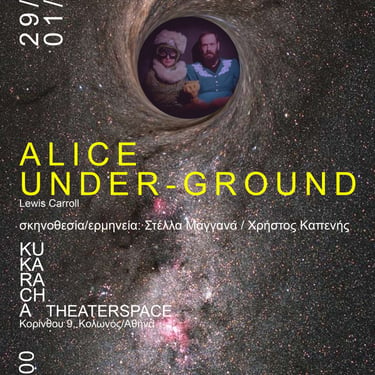
Kukaracha Theaterspace, Athens, Kolonos
Duration: 60 minutes
Venue: Kukaracha Theaterspace, 9 Korinthou St., Kolonos, Athens
Direction / Concept / Dramaturgy / Set Design: Christos Kapenis, Stella Maggana
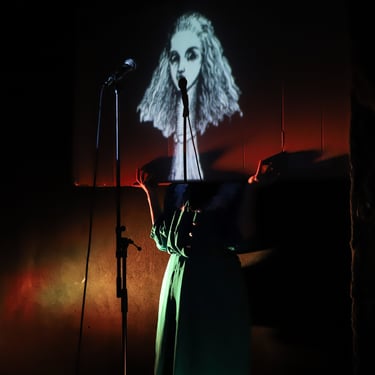
Sound & Lighting Composition / Live cam & live sound: Alexis Chatziioannou
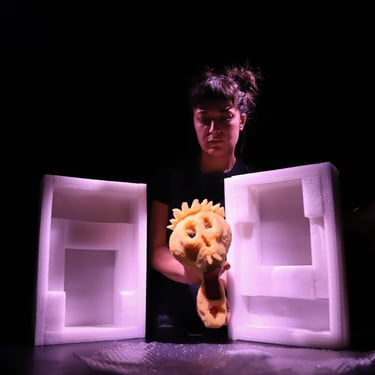
Mask Construction: Sofia Pappa
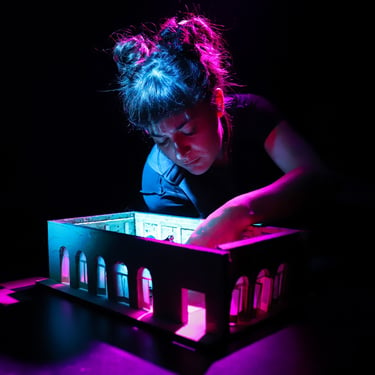
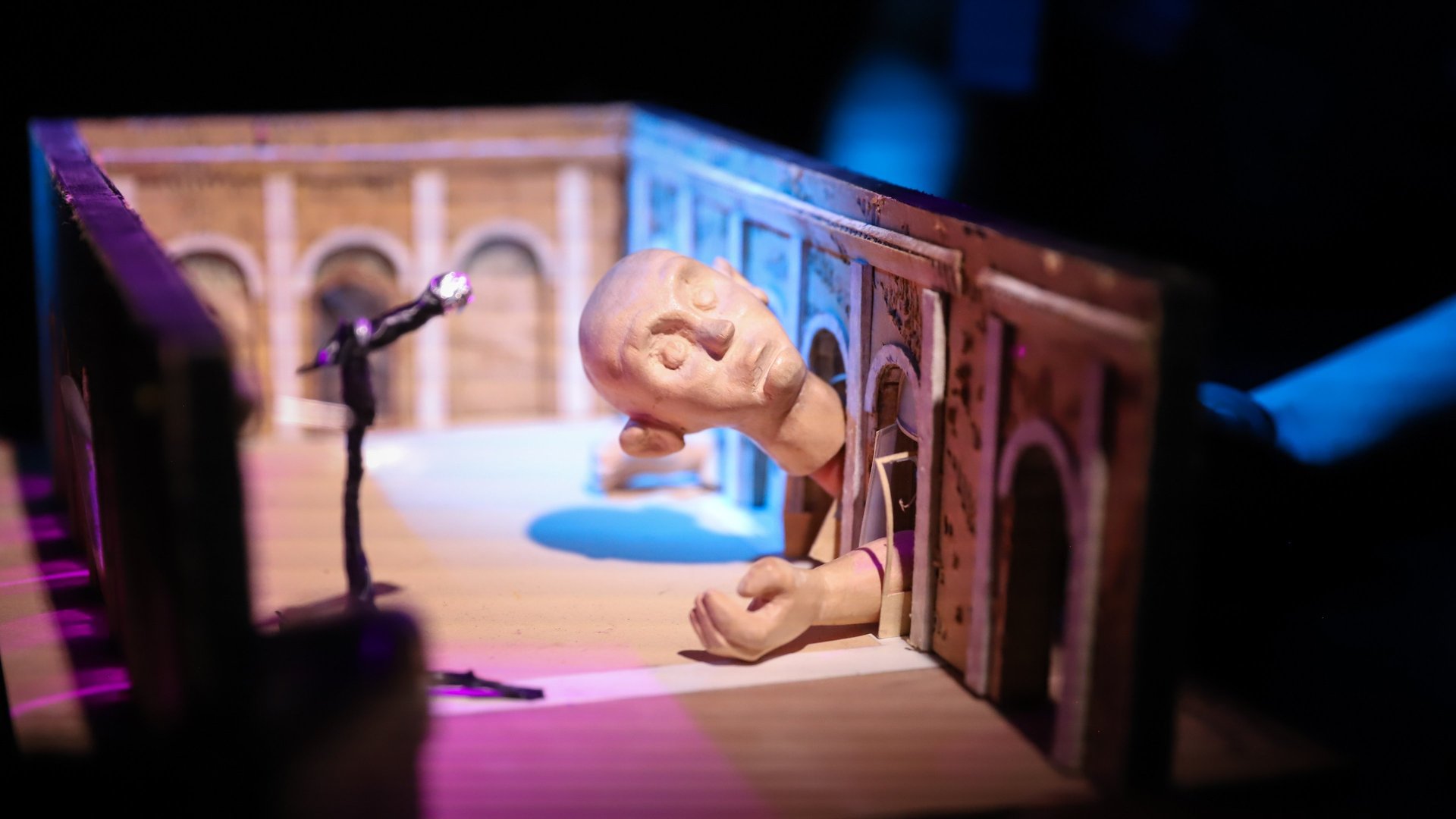
Model Construction: Martha Mavri
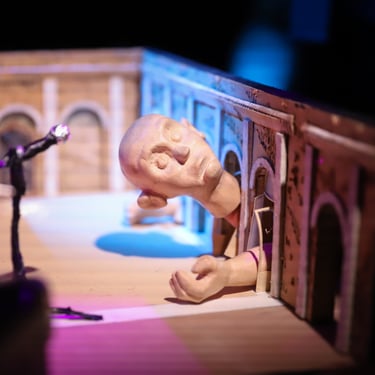
Puppet Construction: Stella Maggana / Stathis Markopoulos
Photography: Kalypso Zografidi, Kostas Gkiokas
Performers: Christos Kapenis, Stella Maggana
Archival material is used from the performance “Alice in Wonderland Is Not a Book”, presented at Bagkeion in Spring 2022.
A hybrid encounter with the first manuscript of Lewis Carroll
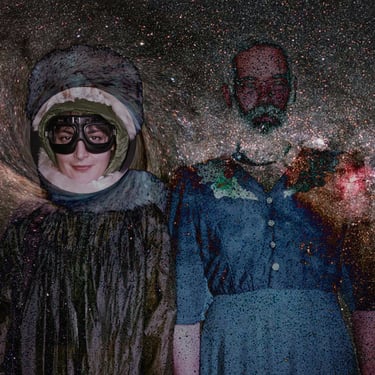
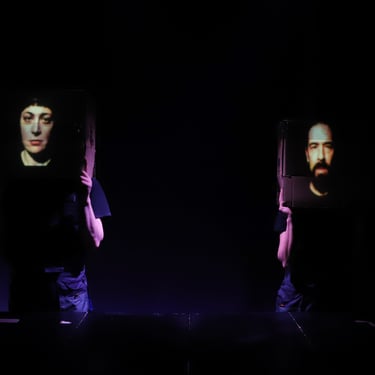
In an old warehouse in Kolonos, two people perform a silent ritual of archiving: they continuously open, close, and sort the fragments of their existence. In a space where time seems to have come to a standstill, memories, dreams, fears, and desires pass through a process of mechanical repetition and poetic distortion.
The performance is an experimental and hybrid reading of the classic Alice in Wonderland by Lewis Carroll. Here, “Alice” does not simply seek wonder; she struggles to reconstruct her memory, tracing the path toward a world in decay.
Within a landscape of deterioration, invention, and reconstruction, the work explores the delicate boundary between imagination and memory, reality and hallucination. The performance attempts to break linear narrative, drawing the audience into an ambiguous space-time where the imaginary and the real are in constant dialogue.
Positioned at the intersection of theatre, performance, and visual installation, this proposal aims to create a space of shared memory and personal discovery.
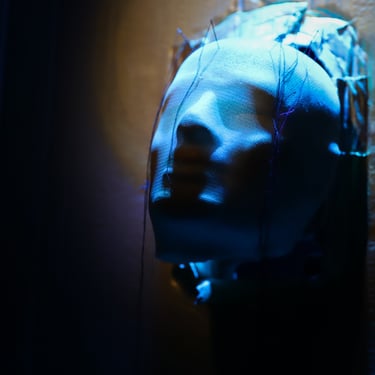
Alice Under-ground is a mixed media project in which different art forms coexist creatively, with puppetry as one of its primary languages, shaping both the narrative and stage action. The puppet does not function merely as a theatrical tool, but as a carrier of memory and imagination. It is not a scenic object; rather, it assumes a role equal to that of the actors, articulating its own story while carrying traces of the past. Within the non-linear narrative framework, it becomes a bridge between the personal and the imaginary, generating ruptures and new dynamics in the stage experience. In this way, it transforms into a living remnant, reminding us that memory is never intact but returns through fragments and distortions—suggesting that every object may conceal a personal story.
Credits
About the project
Got a partnership idea, or a project you need help with? Shoot me a line and let's talk.